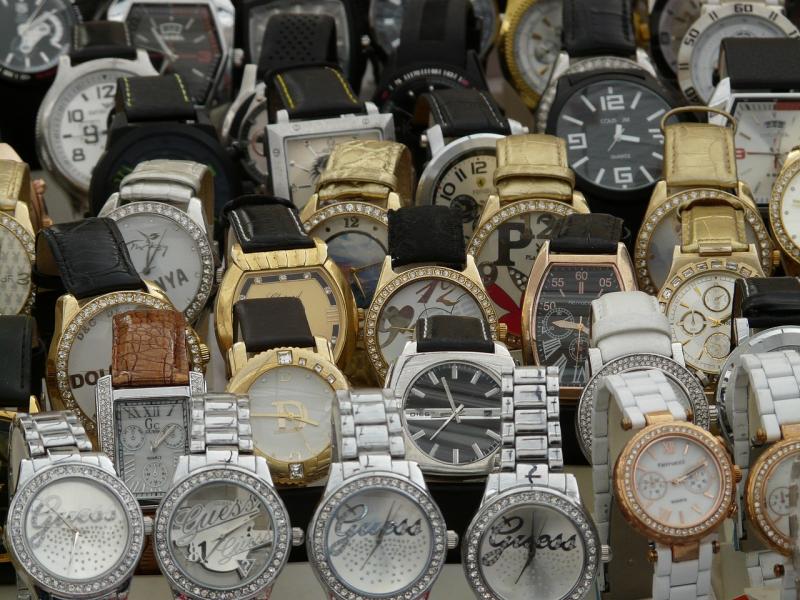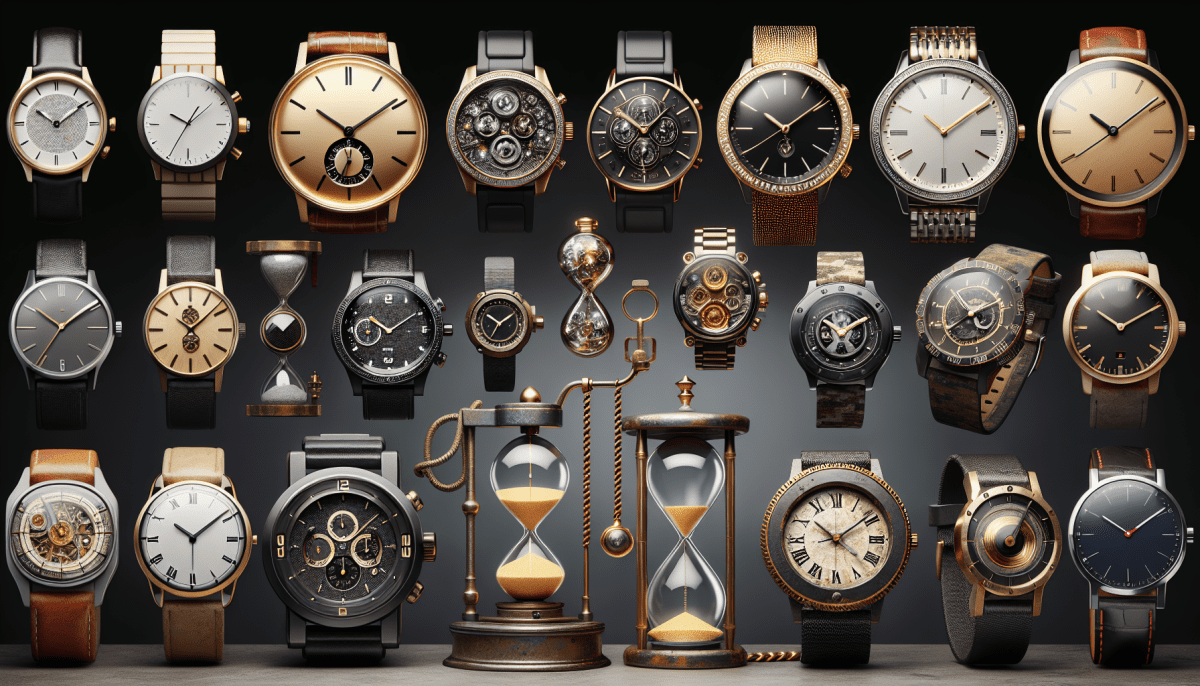
When it comes to watches, there is a world of variety that caters to different tastes, lifestyles, and functions. Understanding the different types of watches available can help you make an informed choice when selecting the perfect timepiece. The primary categories of watches include analog, digital, and smartwatches, each offering unique features and appeals.
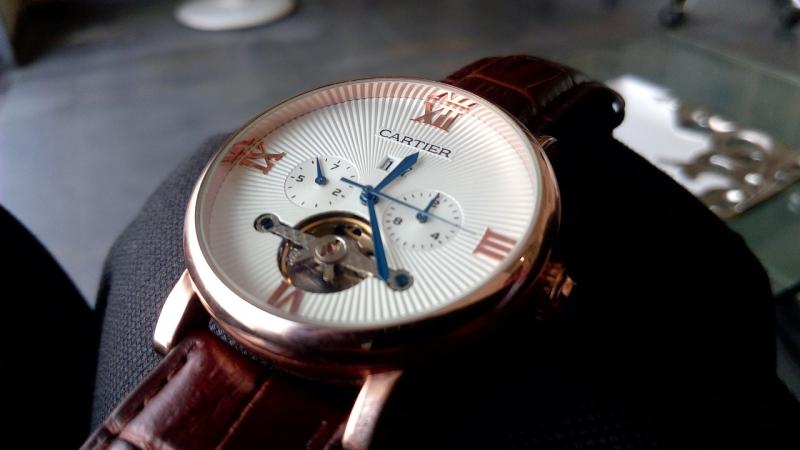
Analog watches are a classic choice, characterized by their hour and minute hands on a dial. They can range from simple designs to intricate timepieces adorned with various complications, such as calendars, chronographs, and moon phases. Analog watches often appeal to those who appreciate craftsmanship and traditional aesthetics, making them a timeless addition to any wardrobe.
On the other hand, digital watches present a modern twist with their straightforward LCD or LED displays. These watches can provide a plethora of functionalities, including alarms, timers, and backlighting. Digital watches are especially favored by athletes and those with active lifestyles due to their practicality and ability to easily read time at a glance.
Finally, smartwatches have revolutionized the way we think about timekeeping. Combining technology with fashion, these devices not only tell time but also connect to smartphones, offering notifications, fitness tracking, and various apps right on your wrist. Smartwatches are ideal for tech-savvy individuals who want to stay connected while keeping track of their daily activities.
Key Features to Consider
When delving into the world of timepieces, several key features deserve your attention. The first aspect to consider is the type of movement. There are primarily three types: mechanical, automatic, and quartz. Mechanical watches are powered by intricate gears and springs, requiring winding to keep time. In contrast, automatic watches harness the motion of your wrist to wind themselves. Quartz watches, on the other hand, use a battery and are known for their accuracy and low maintenance.
Another important feature is the watch's material. Watches can be crafted from various materials, including stainless steel, gold, titanium, and even ceramic. Each material brings its unique aesthetics and durability. For those who prioritize lightweight and hypoallergenic options, titanium may be ideal. If you prefer a classic and luxurious look, a gold watch might be the perfect choice. Understanding the materials will help you select a timepiece that not only looks good but also fits your lifestyle.
Water resistance is another significant consideration, especially for those who lead active lives or enjoy water-related activities. Watches are usually rated by the depth they can withstand, so whether you plan to swim, dive, or simply get caught in the rain, knowing the water resistance level will ensure your watch remains functional and stylish. Make sure to familiarise yourself with the terminology to choose a watch that meets your needs.
Lastly, the design and features of a watch can greatly influence your decision. Some watches come with additional functionalities such as chronographs, calendars, or even GPS. These features can enhance the usability of the timepiece, depending on your hobbies or professional requirements. Whether you prefer a minimalist design or a functional tool watch, understanding the available options will help you find a timepiece that resonates with your personal style.
Popular Brands Around the World
When it comes to timepieces, several brands have made a significant mark on the watchmaking industry, becoming symbols of quality and style. Among these, Rolex stands out as a pinnacle of luxury and precision. Founded in 1905, Rolex is renowned for its robust and elegant designs, making its watches a favorite among collectors and celebrities alike. The iconic status of the Rolex Submariner and Daytona models speaks volumes about the brand's enduring appeal.
Another powerhouse in the watch world is Omega, famous for its role in space exploration and Olympic timekeeping. Established in 1848, Omega watches are well-regarded for their exquisite craftsmanship and innovative technology. The Omega Speedmaster, known as the "Moonwatch," was the first watch worn on the moon, cementing the brand's legacy in both horology and history. Whether worn during sports events or special occasions, Omega continuously blends functionality with sophistication.
In the realm of affordable yet stylish watches, Seiko has earned a loyal following since its inception in 1881. This Japanese brand is celebrated for its commitment to quality and innovation, offering a wide range of timepieces that cater to every taste and budget. From the classic Seiko 5 automatic watches to the stylish dive watches, Seiko ensures that there is something for everyone, making it a popular choice for both novice watch enthusiasts and seasoned collectors.
Lastly, we can’t overlook the impact of Swiss brands like Patek Philippe, known for its intricate complications and exclusive designs. Established in 1839, Patek Philippe has built a reputation for creating some of the most sought-after watches in the world. Their timepieces are often seen as an investment, with models like the Nautilus and Calatrava fetching record prices at auctions. The meticulous attention to detail and artistry in Patek Philippe watches reflects the brand's dedication to the craft of horology.
Caring for Your Timepiece
Taking care of your timepiece is essential to ensure its longevity and accuracy. Whether you own a classic mechanical watch or a modern smartwatch, proper maintenance can make a world of difference. Regular cleaning and gentle handling are key. For traditional watches, it's a good idea to wipe the case and strap with a soft, lint-free cloth. This helps remove dirt and oils that can accumulate over time, keeping your watch looking pristine.
Water resistance is another crucial factor in caring for your timepiece. If your watch is designed to withstand water exposure, always check the manufacturer’s specifications regarding depth and usage. It's important to remember that water resistance can diminish over time, so avoid using your watch in water unless you’re sure it's still sealed properly. For watches that are not water-resistant, take extra caution to keep them away from moisture to avoid damage.
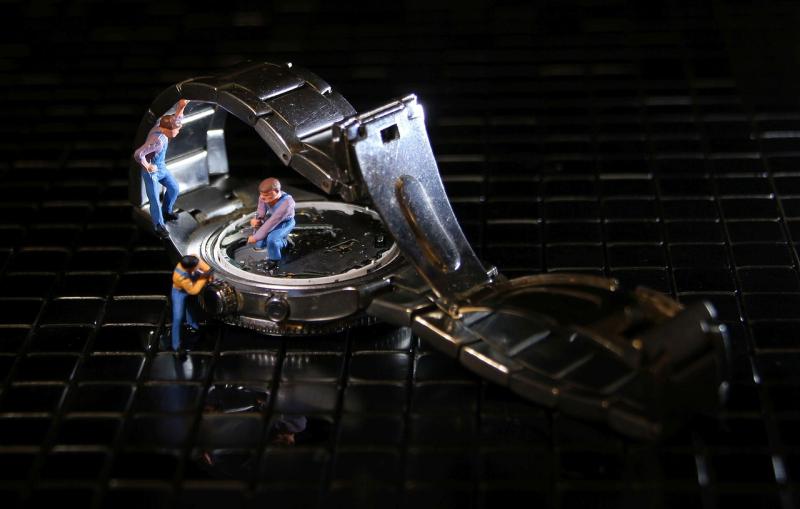
For mechanical watches, regular winding and servicing are essential. If you own an automatic watch, wearing it regularly will keep it running smoothly. However, if you find yourself not wearing it for extended periods, consider investing in a watch winder. Additionally, having your watch serviced by a professional every three to five years can help identify any potential issues before they become major problems. This can keep your timepiece functioning beautifully for many years to come.
Lastly, be mindful of how you store your watch. Providing a safe and padded environment, such as a dedicated watch case or a soft pouch, will protect it from scratches and bumps. Ensure it's kept in a stable environment, away from extreme temperatures and direct sunlight. By following these simple care tips, you can enjoy the beauty and functionality of your timepiece for generations.