The development of wristwatches accelerated during World War I. Soldiers found pocket watches cumbersome in the heat of battle, and the need for a more accessible timekeeping device led to the design of the modern wristwatch. Manufacturers started creating durable and reliable wristwatches that could withstand the rigors of war. After the war, soldiers returned home with their wristwatches, and soon, the trend caught on with the general public. By the 1920s, wristwatches had transitioned from being a military tool to a fashionable accessory.
The 20th century saw rapid advancements in watch technology and design. Famous brands like Rolex, Omega, and Patek Philippe pushed the boundaries of craftsmanship, introducing waterproof watches, self-winding mechanisms, and innovative materials. The introduction of quartz movements in the 1970s revolutionized the watch industry, providing unmatched accuracy and drastically reducing the cost of production. This era marked the beginning of a new relationship with time, as wristwatches became not only functional but also a canvas for artistic expression.
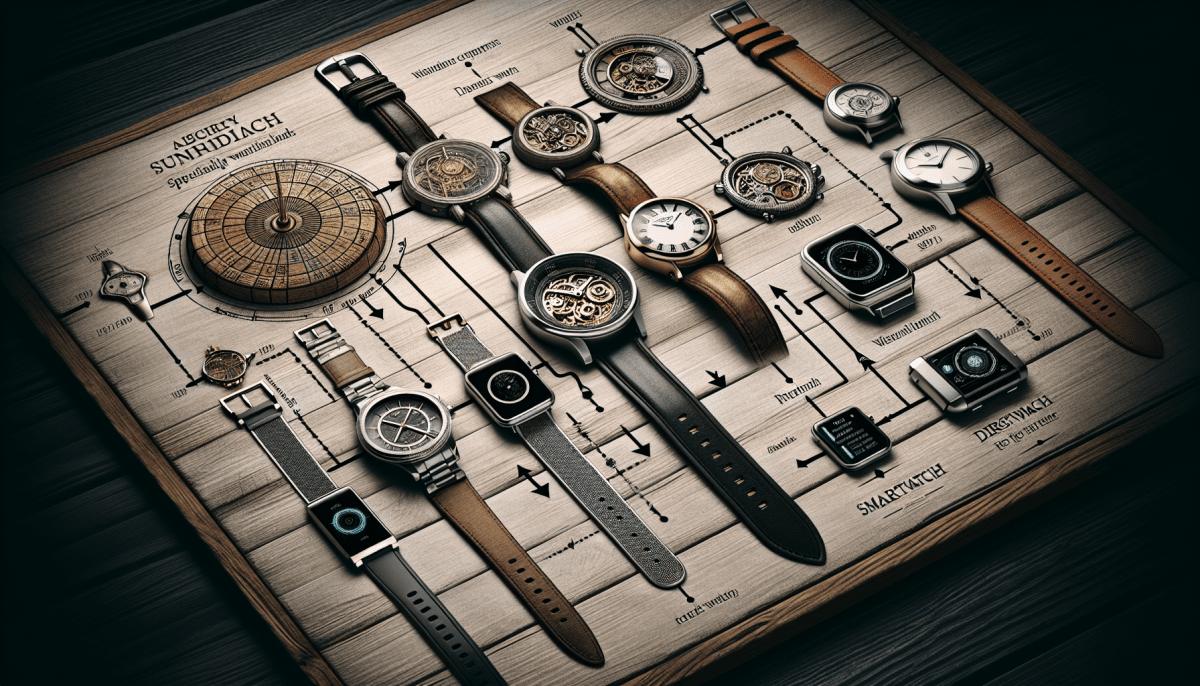
As we moved into the 21st century, wristwatches began to evolve further with the emergence of smartwatches. Combining traditional watchmaking with modern technology, these devices have changed how we perceive and use time. Despite the rise of digital gadgets, classic wristwatches continue to hold their charm, serving as a reminder of the craftsmanship and artistry that has been part of our history. Today, wristwatches remain a symbol of both practicality and style, bridging the gap between tradition and innovation.
Key Innovations in Watchmaking
Wristwatches have come a long way since their inception, with key innovations revolutionizing the way we tell time. One of the most significant advancements was the introduction of the quartz movement in the 1970s. This technology replaced the traditional mechanical movements, allowing for greater accuracy and reduced maintenance. Quartz watches quickly became popular due to their affordability and ease of use, marking a pivotal moment in horology.
Another milestone in watchmaking is the development of water-resistant watches. The creation of the first truly water-resistant watch by Rolex in the 1920s, known as the Oyster, opened up new possibilities for wearers. This innovation not only allowed people to wear their timepieces in various environments but also spurred the creation of diving watches, enhancing the functionality of wristwatches.
In recent years, smartwatches have emerged as a groundbreaking turn in the watch industry. Combining traditional timekeeping with advanced technology, these devices offer features like fitness tracking, notifications, and even mobile payments. This shift towards digital integration has attracted a younger audience and has encouraged traditional watchmakers to innovate and adapt to new consumer demands.
Moreover, advancements in materials have also transformed watchmaking. The introduction of lightweight and durable materials like ceramics and titanium has improved wearability and longevity. Furthermore, innovations such as sapphire crystal, which is highly scratch-resistant, have enhanced the overall quality and durability of watches, ensuring they remain a cherished accessory for years to come.
Famous Brands and Their Impact
Wristwatches have evolved from basic timekeeping devices into symbols of status and style. Famous brands like Rolex, Omega, and Tag Heuer have played significant roles in shaping the industry, each contributing unique innovations and designs. These brands not only cater to the needs of consumers but also influence watchmaking traditions and styles around the world.
Rolex, perhaps the most recognized name in the watch industry, has set standards for luxury and precision. Founded in 1905, Rolex introduced several groundbreaking features, such as the first waterproof wristwatch, the Oyster, in 1926. This combination of functionality and elegance has made Rolex synonymous with success and achievement. Their watches are often seen on the wrists of influential figures, further embedding Rolex into the cultural fabric of success.
Omega, another iconic brand, has made its mark by pushing boundaries in both technology and design. Known for being the first watch on the moon, Omega has a fascinating legacy intertwined with exploration and adventure. Their Speedmaster line is celebrated for its storied history and precision, making it a favorite among collectors and enthusiasts. Omega's commitment to craftsmanship and innovation has cemented its place among the giants of the watch industry.
Finally, Tag Heuer stands out for its sporty edge and connection to the world of motorsports. Established in 1860, the brand is famous for its chronographs that provide precise timing in racing events. Tag Heuer has successfully bridged the gap between luxury and sport, attracting a younger audience while maintaining its reputation for quality. Their dynamic designs and focus on performance have left a lasting impact on the perception of wristwatches as not just timekeepers but essential accessories for an active lifestyle.
Collecting Wristwatches as a Hobby
Collecting wristwatches has become a popular hobby for many enthusiasts around the world. Each timepiece tells a story, often reflecting the era in which it was made, the art of engineering, and the aesthetic choices of its designers. From vintage mechanical watches to contemporary smartwatches, collectors find joy in exploring the vast array of styles and functions that wristwatches offer.
For many, the thrill of the hunt is what makes collecting wristwatches so exciting. Whether it’s scouring flea markets for hidden treasures or attending auctions for rare pieces, collectors thrive on the adventure. They often develop a keen eye, learning to discern quality craftsmanship from mass-produced items. This journey allows them to connect with the history of horology, the art and science of timekeeping, and appreciate the intricate mechanisms that power these beautiful devices.
Moreover, collecting wristwatches fosters a sense of community among enthusiasts. Watch clubs and online forums provide spaces for collectors to share their passion, showcase their collections, and discuss industry trends. These connections often lead to lifelong friendships, as members bond over their shared interests and experiences. Many collectors also appreciate the value of knowledge, frequently engaging in research to learn more about specific brands, models, and the historical significance of their timepieces.
As a hobby, collecting wristwatches can also provide a unique investment opportunity. Some timepieces appreciate significantly in value over the years, making them not just a source of enjoyment but also a potential financial asset. However, successful collecting requires more than luck; it involves understanding market trends, recognizing quality, and sometimes, a bit of patience. The rewards of witnessing a collection grow and evolve over time make the journey even more fulfilling.